Fall is tournament season in pickleball. From local YMCA round-robins to DUPR-rated APP Tour stops, competitions are popping up at every level — and if you've never played in one before, the idea of signing up can feel equal parts exciting and nerve-racking.
Here's the truth: your first pickleball tournament is almost certainly going to be more fun than you expect and harder than you trained for. Both of those things are good. This guide walks you through everything you need to know — from choosing the right event to what to pack in your bag on match day.
Step 1: Find the Right Tournament for Your Level
The biggest mistake first-timers make is entering a bracket that's too competitive. Pickleball tournaments are typically divided by skill rating, so the first thing you need is an honest self-assessment — or better yet, a DUPR rating.
DUPR (Dynamic Universal Pickleball Rating) is the sport's most widely used rating system and is required for entry in most APP Tour and many regional events. You can create a free account at mydupr.com and log results from recreational play to establish a baseline. Most beginners land between 2.5 and 3.5; intermediate players between 3.5 and 4.5.
If you don't have a DUPR yet, look for self-rated tournaments at local parks, recreation centers, or club facilities. These events allow you to enter a bracket based on your own estimate of your skill — 2.5, 3.0, 3.5, etc. When in doubt, enter the lower bracket your first time out. It's a better learning experience to finish in the top half of a 3.0 draw than to get crushed in a 4.0.
Places to find tournaments near you:
- Pickleballtournaments.com — the largest listing database in the US
- DUPR Events (in the DUPR app)
- USA Pickleball's tournament finder at usapickleball.org
- Your local Facebook pickleball group (great for smaller, low-pressure events)
Step 2: Register Early and Read the Rules
Pickleball tournaments fill up fast, especially in fall when weather is prime across most of the country. Once you've found an event that fits your level, register as soon as registration opens. Many events cap brackets at 8–16 teams.
When you register, read the tournament's specific ruleset. Most follow USA Pickleball Official Rules, but some local events have modified scoring (e.g., rally scoring instead of sideout), shorter games, or format tweaks. Know whether you're playing best-of-3 games to 11, or pool play to 15. Surprises during a match are never fun.
If you're playing doubles (the most common format), lock in your partner early. Tournament doubles require a consistent partner — you can't mix and match between matches the way you might in recreational play. Practice with your actual tournament partner at least 3–4 times before the event.
Step 3: Train Specifically for Match Play
Recreational pickleball and tournament pickleball feel like different sports. Here's what changes:
- Pressure amplifies mistakes. Shots you make 90% of the time in open play may drop to 70% under match pressure. Train your highest-percentage shots until they're automatic.
- The third shot matters more. In tournament play, the serving team needs to get to the kitchen line. Drill your third shot drop until it's a reflex, not a choice.
- Returns are free points. A deep, controlled return of serve puts the serving team on the defensive before the point even starts. Prioritize depth and consistency over power.
- Dinking wins rallies. Tournament players are generally better at pace — don't try to overpower them. Master the slow game at the kitchen line and let your opponent make the error.
In the two weeks before your tournament, focus on match-play practice rather than drills. Play games to 11. Keep score. Let the pressure build. Play with people slightly better than you.
Step 4: Gear Up Properly
You don't need to spend a fortune, but tournament play does require the right equipment.
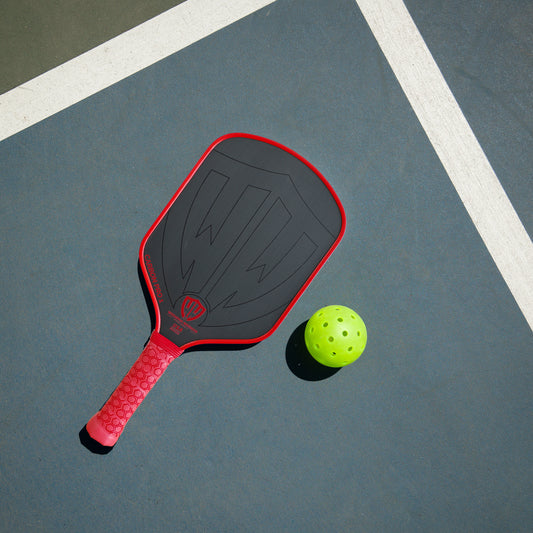
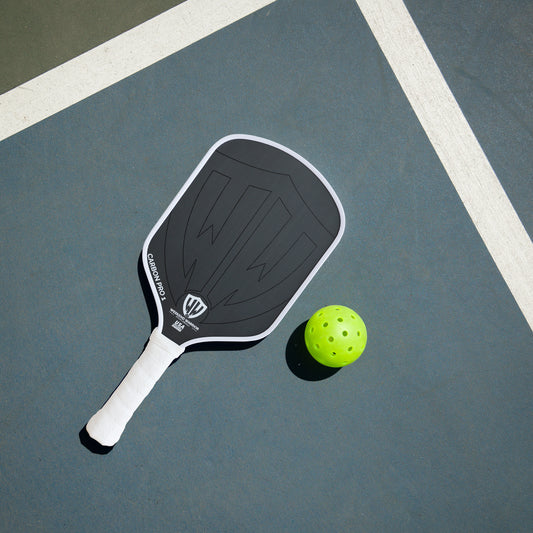
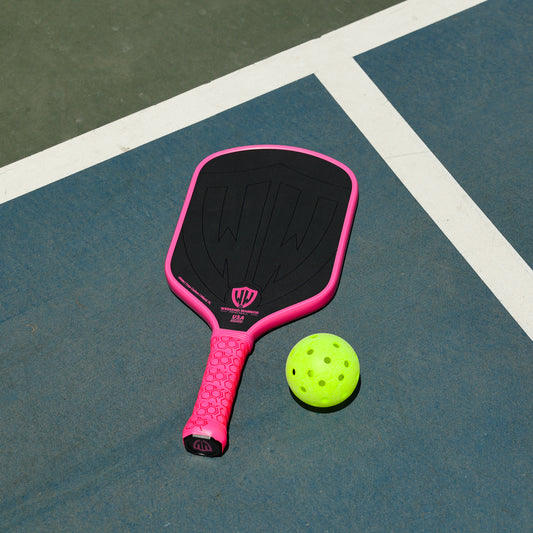
Paddle: Make sure your paddle is USAPA-approved (look for the USA Pickleball stamp or check the approved paddle list at usapickleball.org). Non-approved paddles are not legal in sanctioned play. If you've been borrowing a friend's paddle, now is the time to get your own.
Bring two paddles. Paddles break, get cracked, or lose their surface feel in the middle of a match. If you only have one, borrow a backup from a teammate or buy an affordable second option.
Balls: Most outdoor tournaments use the Franklin X-40; most indoor events use the Onix Fuse or similar. The tournament will supply balls, but it's smart to practice with the same ball in advance so the flight pattern is familiar.
Shoes: Court shoes matter. Running shoes aren't built for the lateral cuts and quick stops pickleball demands. If you've been playing in running sneakers, a dedicated court shoe will immediately improve your stability and reduce your injury risk.
Step 5: Pack Your Tournament Bag
Tournament days are long. Brackets often run 4–6 hours, and you may have significant gaps between matches. Pack for a full day outdoors:
- 2 paddles (in a protective case)
- At least 2 liters of water + electrolyte drink
- High-protein snacks (nuts, bars, jerky — avoid heavy meals between matches)
- Sunscreen (SPF 50+ for outdoor events)
- A hat or visor
- Athletic tape and a small first-aid kit
- An extra set of clothes and socks
- A light jacket (early morning matches can be cool in fall)
- Comfortable slides or sneakers for between matches
- A portable phone charger (you'll be scorekeeping in the DUPR app)
Step 6: Mindset on Match Day
Here's what experienced tournament players will tell you: the mental game is half the battle, especially early in your competitive career.
Show up early — at least 30–45 minutes before your first match. Check the bracket board, introduce yourself to tournament staff, and find a warm-up court. Cold muscles and cold mechanics are a quick path to a first-round exit.
During matches, focus on your process, not the score. Breathe between points. Reset after errors. Call scores clearly and honestly — good sportsmanship is how pickleball culture works, and it matters at every level.
Finally: you will lose a match. Probably more than one, especially your first time. That's fine. The goal of your first tournament isn't to win — it's to learn what match play actually feels like so you can improve before the next one. Every competitive player you respect has been where you are right now.
Ready to Play?
Tournament pickleball is one of the most rewarding ways to level up your game. The competition is real, the community is genuinely welcoming, and the improvement curve is steep in the best way.
Get your paddle dialed in, find an event near you, and sign up. Fall season is happening right now — and there's no better time to jump in. Browse our paddle lineup if you're looking for a tournament-ready upgrade before your first event.