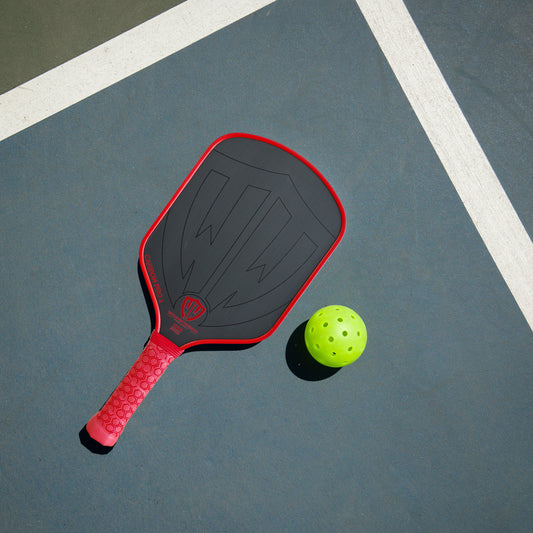
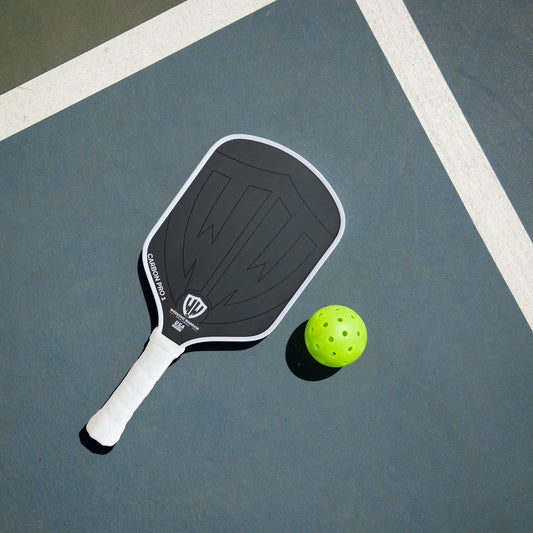
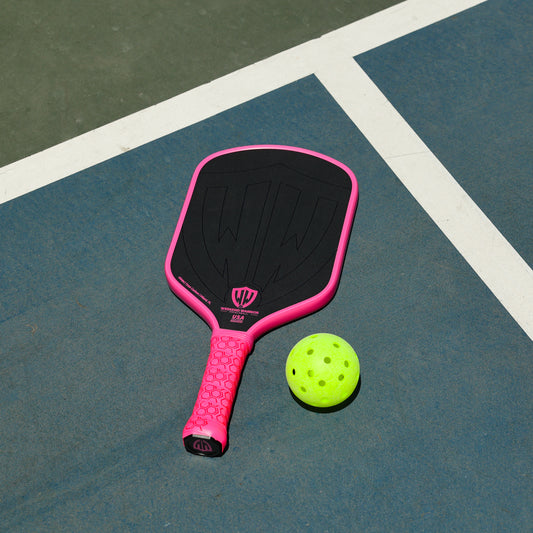
As the weather cools and the pickleball season shifts into fall and winter, many players find themselves facing a common challenge: their summer paddle might not perform the same way on a colder court. Temperature changes, humidity shifts, and seasonal court conditions all affect how your paddle plays. Whether you're upgrading your gear or adding a seasonal paddle to your collection, here's what you need to know about choosing the right equipment for fall and winter pickleball.
How Temperature Affects Paddle Performance
Temperature has a surprisingly significant impact on paddle behavior. In cooler weather, the rubber on your paddle's face becomes slightly stiffer, which affects both spin potential and ball feel. The core material also changes properties—polymer cores tend to become marginally less responsive in cold, while nomex cores maintain their characteristics better across temperature ranges.
If you live in a climate where fall temperatures drop significantly (below 60°F), you might notice that a paddle that felt perfect all summer suddenly plays harder and less forgiving. Ball contact becomes less cushioned, and the "sweet spot" might feel slightly smaller. Understanding this helps you make the right paddle choice before the season changes.
Outdoor vs. Indoor Winter Play
Fall and winter pickleball comes in two flavors: outdoor play in milder climates and indoor play in colder regions. Each demands a slightly different paddle strategy.
Outdoor Fall/Winter: If you're playing outdoors in cooling weather, you'll want a paddle with more forgiveness and spin potential to compensate for the stiffer feel that cold creates. A mid-weight paddle (7.5-8.5 oz) with a polymer or hybrid core offers the best balance of touch and stability. Larger sweet spots become more valuable as precision becomes harder with cold-stiffened equipment.
Indoor Winter: Indoor facilities maintain consistent temperatures (typically 65-72°F), so your summer paddle will perform similarly. However, indoor courts often use different court surfaces than outdoor facilities, affecting ball response. If you're transitioning from outdoor to indoor winter play, a paddle optimized for indoor courts—with slightly more power and a forgiving core—helps you adjust to the faster, more controlled indoor game.
Core Material Selection for Cold Weather
Your paddle's core material matters more in winter than in summer. Here's how the main options perform:
Polymer cores are the forgiving choice. They handle temperature fluctuations well and maintain playability across seasons. If you struggle with power or consistency in cold weather, a polymer core is your safest bet. The slight loss of responsiveness in cold is offset by improved touch and a larger sweet spot.
Nomex cores are the performance option. They maintain their snappy response better in cold temperatures than polymer, but they're less forgiving. If you have solid technique and want maximum control and power, nomex remains your choice—just expect a firmer feel and less cushioning when temperatures drop.
Hybrid cores (nomex + polymer blend) offer middle ground. They give you some of the responsiveness of nomex with more forgiveness than pure nomex cores, making them excellent for winter play when you want consistency without sacrifice.
Weight Considerations
Paddle weight matters more in fall and winter than summer. Colder temperatures make the ball travel slightly slower, so adding weight helps maintain power without forcing harder swings. A slight weight increase—from 7.5 oz to 8.0-8.5 oz—can help you keep the same ball speed and rhythm as summer.
However, heavier paddles can increase fatigue during longer tournaments or multiple-match days. Find the sweet spot: heavy enough to maintain power in cold, light enough to keep arm fatigue manageable over a full day of play.
Face Material and Surface Texture
Graphite and fiberglass faces behave slightly differently in cold. Graphite becomes stiffer, reducing vibration but also reducing feel. Fiberglass stays relatively consistent, maintaining touch but offering less vibration damping. Carbon fiber composites split the difference, providing good vibration control with maintained feel.
Surface texture (smooth vs. textured) becomes more important in winter. A textured face increases spin potential, which helps compensate for the spin-reducing effects of cold. If you're adding a winter paddle to your collection, consider upgrading to a textured surface for better control and spin.
Edge Guard and Frame Durability
Cold weather can make edge guards and frame materials more brittle. If you're investing in a new paddle for fall and winter, prioritize models with reinforced edge protection. A quality edge guard prevents costly frame damage if you accidentally strike the court or sideline during play.
Practical Tips for Fall and Winter Paddle Selection
Test before you commit: If possible, hit with a potential new paddle in the actual temperature range where you'll be playing. Many pro shops allow demo sessions—use them to test how a paddle performs when it's cool, not just in summer conditions.
Consider adding a second paddle: Instead of replacing your summer paddle, consider adding a dedicated winter paddle to your collection. This lets you optimize for both seasons without compromise.
Break in gradually: New paddles take time to reach optimal performance. Break in your winter paddle gradually—use it in low-pressure matches before relying on it in competitive play.
Account for court conditions: Indoor vs. outdoor courts, court surface material (hardcourt vs. cushioned), and facility temperature all affect paddle selection. A paddle optimized for your local conditions will serve you better than chasing pro equipment.
The Bottom Line
Fall and winter pickleball doesn't require you to buy new gear, but understanding how temperature and season affect paddle performance helps you make smart choices. Whether you're upgrading to a dedicated winter paddle or sticking with your summer choice, pay attention to core material, weight, and face technology. Small adjustments in equipment can make a big difference when temperatures drop and the game changes.
The best paddle for fall and winter is one that matches your skill level, playing style, and local climate—and one you've had time to test before the season heats up competitively.